
Best Small-Space Organizers for Apartments
A practical framework for choosing organizers that reclaim space in US apartments without a remodel.
- Start with slim hangers, under-bed bins, and one rolling cart before specialty gadgets
- Use over-door storage when closets are shallow
- Prefer modular cubes and freestanding shelves if you move often
- Solve cables and entry clutter early—they shrink a room visually
Why small-space organizers fail (and how to choose better)
Small apartments in the United States often share bottlenecks: limited floor area, shallow closets, kitchens without a true pantry, and leases that restrict drilling. Products that help most are modular organizers that reclaim vertical space and move with you.
Work in this order: declutter, measure, assign homes for daily items, then buy organizers. Purchasing bins before editing belongings often recreates the same mess inside nicer containers.
This guide is a decision framework, not a claim that we personally lab-tested every product in a warehouse. We focus on use cases, measurements, and trade-offs so you can evaluate listings clearly—including products you may browse through our category pages.
Deal Nexas may earn a commission when you buy through affiliate links, at no extra cost to you. AliExpress is the merchant. We do not process payments or control shipping and refunds. Confirm price and seller details on the product page.
Apartment living rewards organizers that do more than look tidy in a photo. The best systems reduce the number of daily decisions: where keys go, where pans live, where laundry overflow sits until wash day. If a product does not make a weekly routine easier, it is decoration, not infrastructure.
Also remember that square footage is only half the story. Ceiling height, door swings, radiator placement, and awkward soffits change what fits. Two “400 square foot” studios can need completely different storage geometry.
Map your apartment by zones, not rooms
In compact homes, rooms overlap. A living room may be an office. A bedroom may hold overflow clothes. Organize by zone: cooking, cleaning, dressing, working, arriving home, and resting. Each zone needs a landing spot for its daily objects.
List the five items you touch every day in each zone. Those items deserve the easiest access. Everything else can move up, down, or into closed storage. This single exercise prevents buying cute bins that still leave counters buried.
Visual clutter makes rooms feel smaller. Closed bins in living areas, consistent hangers, and a single entry drop zone often improve the feel of a space as much as another shelf.
Studios benefit from furniture that stores: ottomans with lids, beds with clearance for bins, and desks with cable trays. If you cannot replace furniture, use risers, under-bed containers, and rolling carts that tuck beside a sofa or fridge.
Shared apartments need labeled zones. Ambiguous “misc” bins become conflict magnets. A small label maker or masking tape labels are unglamorous and extremely effective.
Organizer types that earn their footprint
Vertical shelf units turn unused wall height into categories. Choose stable bases. Keep heavy items low. Many freestanding units work without anchors if modestly loaded and away from rough traffic.
Over-door organizers reclaim a full vertical panel for shoes, cleaning tools, pantry overflow, or toiletries. Check door thickness and frame clearance so the door still closes quietly.
Under-bed and under-sofa bins hide seasonal clothes and spare linens. Measure bed clearance including the frame lip, not just mattress height. Lids reduce dust.
Modular cubes flex as nightstands, TV stands, or closet inserts. Fabric drawers reduce visual noise. Do not stack higher than recommended.
Rolling carts shine in kitchens without pantries and bathrooms without linen closets. Locking wheels help. Measure the gap beside the fridge or toilet first.
Strong picks share traits: small footprint, clear weight limits, moisture-tolerant materials near kitchens and baths, and shapes that work in multiple rooms after you move.
Specialty gadgets can help after the basics are solid—drawer dividers, lid organizers, lazy Susans—but they rarely fix a home that has not been decluttered or measured.
Quick recommendations by problem
If counters are always covered, you do not need more counter organizers—you need a home one step away: a cart, a clearable tray, or cabinet door racks.
If the closet feels full by midweek, start with slim hangers and a donation bag. Add hanging shelves only after removing bulk you no longer wear.
If the entry explodes with shoes and mail, create a small drop zone with a shoe limit, key tray, and hooks or freestanding rack.
If cables make the room look chaotic, fix desk and TV routing before buying more décor. Clips, sleeves, and one power-strip location create an outsized visual win.
Many high-impact upgrades cost little: slim hangers, cable clips, under-shelf baskets, and motion-sensor pucks. Spend more when structure matters—daily-use carts or shelves for heavy cookware.
If dark cabinets slow cooking, battery motion lights are often a higher ROI than rearranging the same dark shelves again.
Buying criteria checklist
Before you order, measure twice. Write down cabinet openings, rod lengths, under-sink clearances, and hallway width. Many returns start with a product that matched a photo but not the real opening—especially around plumbing.
Check materials near moisture. Powder-coated metal and quality plastics tolerate kitchens and baths better than unfinished particleboard. Fabric bins are great for clothes; they are poor under sinks where chemicals drip.
Look for adjustability: expandable under-sink frames, changeable shelf heights, and modular pieces for the next apartment.
Read weight limits. A hanging organizer that sags after two sweaters is not a bargain. Distribute heavy items low and wide on shelves.
Cross-border shipping times and fees vary. A low item price can change after shipping and taxes. Live checkout on AliExpress is the source of truth for price and availability.
When comparing listings, ignore vanity metrics and look for dimensions in the description, material notes, and whether install tools are required. If a listing has no real measurements, skip it.
Common mistakes in apartment organizing
Buying storage before decluttering multiplies containers, not calm.
Matching sets look good in photos but can force the wrong size on every shelf. Mix sizes based on measurements.
Open baskets everywhere create a warehouse look. Use lids or closed drawers in the living zone.
Ignoring vertical space above doors, fridges, and rods leaves free capacity unused.
Creating a system so complex that you will not reset it on a Tuesday night. Sustainable beats perfect.
Keep emergency exits clear. Do not block heaters or overload shelves. Cable management should never hide damaged cords or trap heat around power supplies.
A realistic weekend plan
Friday night: pick one zone and empty it completely. Discard or donate obvious junk. Wipe surfaces.
Saturday: measure and list only the organizer types that solve remaining gaps. Save dimensions in your phone notes before browsing products.
Sunday: rehome daily items first, then backups, then seasonal. Leave 10–20% empty space so the system can breathe.
On Deal Nexas, pair this framework with the Small-Space Storage Planner tool and the small-space storage category rather than impulse-buying every trending gadget.
Renters should default to freestanding, tension-mounted, over-door, and carefully chosen adhesive solutions. Weight ratings, surface texture, humidity, and removal technique all matter. For heavy loads, freestanding wins.
Revisit the system after two weeks. The first setup is a draft. Move the things you still drop in the wrong place—those objects are telling you the truth about your habits.
Practical details that matter in real apartments
Real apartments are imperfect. Baseboards eat depth from furniture, radiators limit where shelves can stand, and sliding closet doors change how far a basket can stick out. When a product photo shows a perfect walk-in, translate it back to your constraints: door swing, outlet locations, and the width of the hallway you must still walk through with groceries.
Create a simple measurement note on your phone with four numbers for every problem zone: width, depth, height, and clearance to the nearest obstacle. That note is more valuable than browsing dozens of listings without context. If you share a home, photograph the space so a partner can help compare options without re-measuring.
Maintenance is part of selection. A gorgeous open rack that collects dust in a week will annoy you. A bin with a lid you will actually close will not. Prefer systems you can reset in under five minutes on a weeknight. If a setup requires a full Saturday every time it fails, it will fail permanently.
For renters, plan the reverse install at purchase time. Ask: can I take this to the next apartment? Will removal risk paint? Is the weight on the floor instead of the wall? Portable beats permanent when your lease is twelve months and your life is longer than that.
When using Deal Nexas product grids, treat them as idea starters. Open the AliExpress listing and verify dimensions, shipping terms, seller details, and return policy. Our pages may show cached prices when the API provides them; checkout is always authoritative. We may earn a commission from qualifying purchases through affiliate links at no extra cost to you.
If you only remember one habit from this guide, make it this: declutter and measure before you spend. Organizers multiply the system you already have. A clear system becomes clearer; a chaotic system becomes expensive chaos in nicer containers. Use our free tools to plan, then shop categories with intention rather than impulse.
Common room scenarios
Studio apartments often need furniture that stores and zones that can be reset quickly after guests leave. Prioritize closed storage in the living sightline and keep the entry ruthless about shoes and mail. A single rolling cart can act as pantry, office supply cart, or cleaning station depending on the week.
One-bedroom rentals usually fail at closet overflow and kitchen counters. Solve hangers and under-sink geometry early. Keep a donation bag active so the closet does not return to baseline in thirty days. In the kitchen, daily tools earn counter or first-drawer rights; backups go higher or deeper.
Shared homes need labels more than matching aesthetics. Ambiguous bins become conflict. Agree on door shoe limits and a shared reset time. Organization systems that depend on one person's perfect memory rarely survive busy seasons.
A simple evaluation scorecard
When you compare products, score fit, install risk, versatility after a move, and maintenance effort from 0–5. The highest “pretty” score is not always the highest total. Leave empty capacity on purpose so seasons and packages do not break the system on day one. Re-check the scorecard after two weeks of real use and adjust the weakest zone first.
Buying criteria
- Measure openings and clearances before ordering
- Prioritize multi-room modular pieces
- Match material to moisture and load
- Leave empty capacity for real life
- Choose renter-safe install methods
Product ideas
Sample products from AliExpress related to this topic. Availability and prices change—verify on the product page.
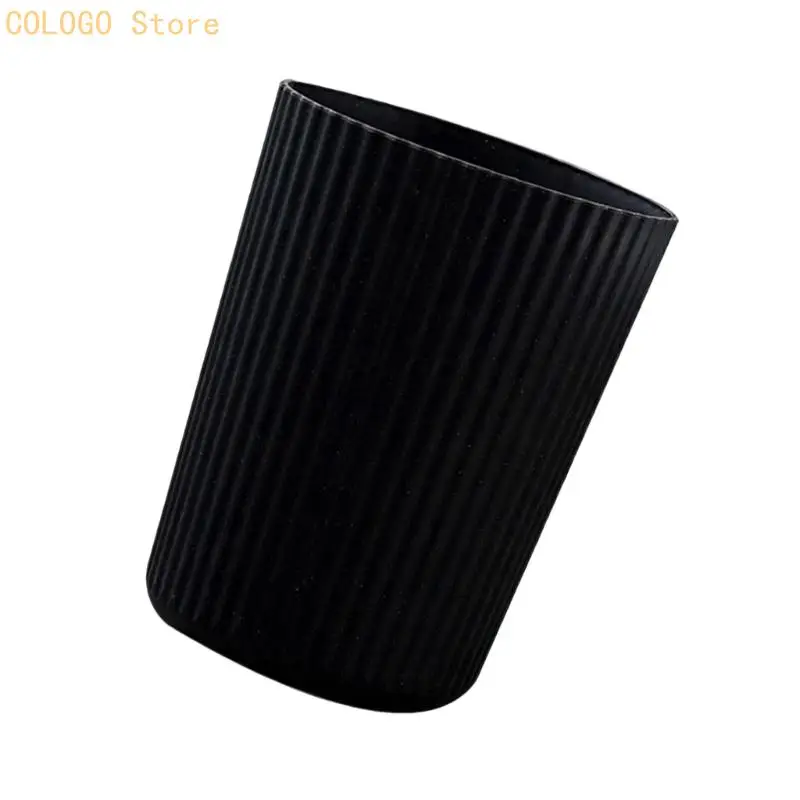
Modern Striped Waste Bin For Bedroom Living Room Dorm Office Space Saving Trash Can For Small Apartment Waste Organizing D0LD
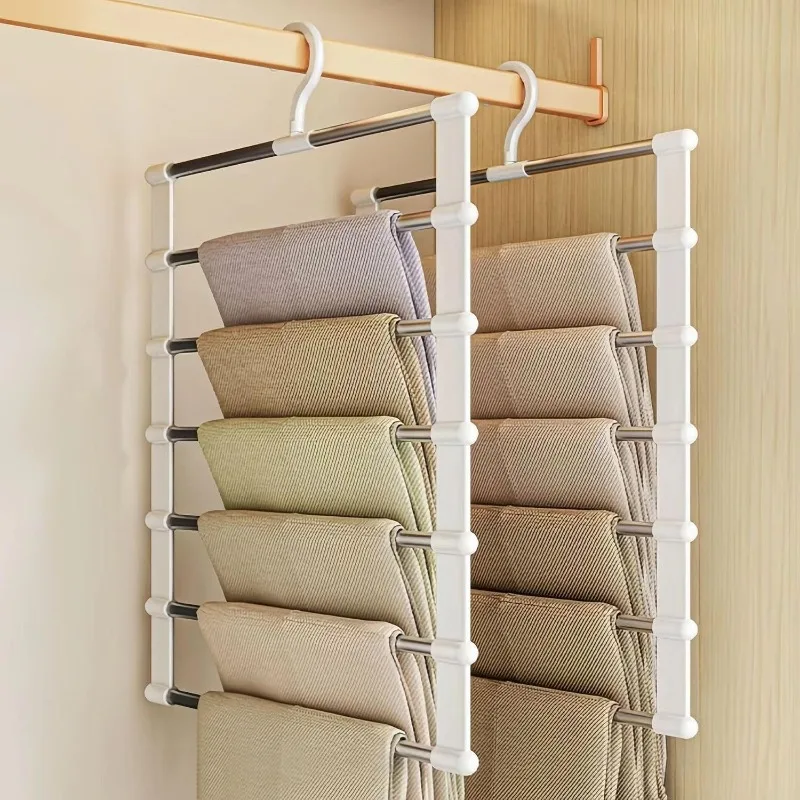
New 2Pcs Cloud Ladder Pants Hangers Space Saving for Closet Leggings,Space Saving Organizers for Apartment & Small Wardrobe

Lunch Break Folding Bed Single Multi-functional Telescopic Invisible Organ Paper Bed Office Small Apartment Saves Space
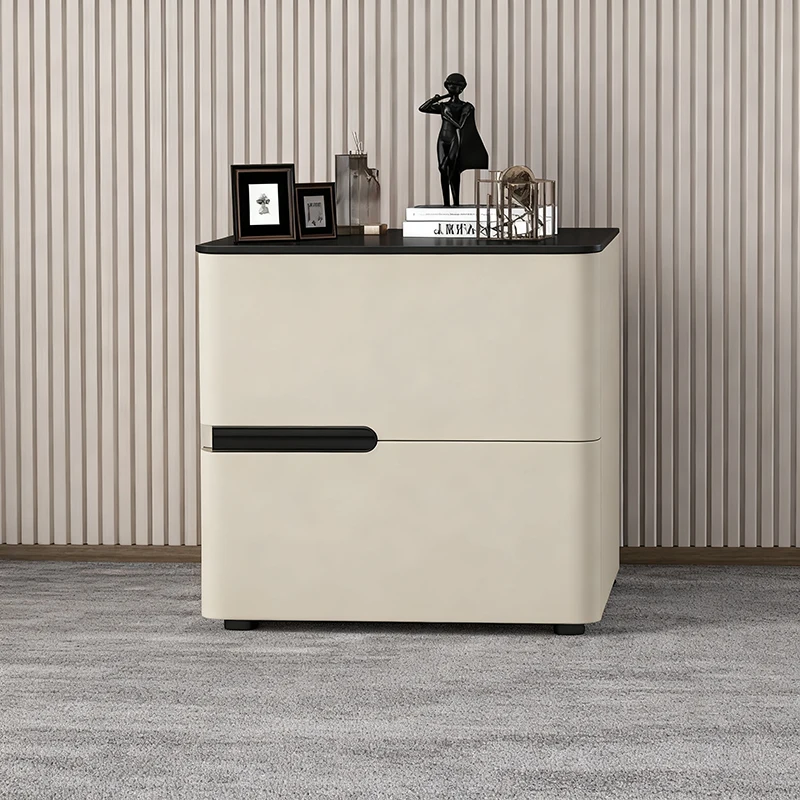
Eco-friendly Modern Wood Bedside Table Nightstand for Apartment and Hotel Living Small Space Organizing Bedroom Furniturepromote
Prices, availability, shipping costs, and delivery estimates may change on AliExpress. Check the product page for current details.
Pros and cons
| Pros | Cons |
|---|---|
|
|
Common mistakes
- Buying bins before decluttering
- Blocking walkways with bulky units
- Ignoring weight ratings
- Building systems you will not maintain
FAQ
What is the first organizer most apartments need?
It depends on the pain point, but slim hangers, a donation workflow, and a single entry drop zone solve more daily friction than decorative baskets alone.
How do I organize without drilling?
Use freestanding shelves, tension rods, over-door organizers, and adhesive products within their weight ratings. See our no-drill guide for surface-specific tips.
Do I need matching containers?
No. Consistent labels and a limited color palette matter more than one branded set that does not fit your shelves.
Are clear bins better?
Clear bins help inside cabinets. Opaque bins often look calmer in open living areas.