
Best Kitchen Organizers for Small Kitchens
Under-sink, pantry-alternative, and cabinet organizers that make compact kitchens usable every day.
- Clear counters first; store daily tools one step away
- Measure under-sink plumbing before ordering organizers
- Use a slim cart if you lack a pantry
- Group fridge and pantry by meal categories
Small kitchen realities
A small kitchen fails when every tool competes for the same square foot of counter. Organization is less about owning more containers and more about staging: daily tools near the prep zone, backups higher or deeper, and cleaning tools contained under the sink without blocking plumbing.
Small apartments in the United States often share bottlenecks: limited floor area, shallow closets, kitchens without a true pantry, and leases that restrict drilling. Products that help most are modular organizers that reclaim vertical space and move with you.
Deal Nexas may earn a commission when you buy through affiliate links, at no extra cost to you. AliExpress is the merchant. We do not process payments or control shipping and refunds. Confirm price and seller details on the product page.
If you cook most nights, optimize for workflow. If you mostly reheat and assemble, optimize for clear counters and easy coffee/tea access. The “best” organizer depends on how you actually use the room.
Define prep, cook, clean, and store
Prep zone: knives, boards, mixing bowls, oils you use weekly. These should not live across the room from the main counter.
Cook zone: spatulas, lids, salt, and pans near the stove. Lid chaos is a classic small-kitchen tax—consider a vertical lid file.
Clean zone: sponges, soap, trash access, and dishwasher or drying space. Under-sink systems should not make taking out trash harder.
Store zone: pantry alternatives—carts, upper cabinets with bins, over-door racks. Group by meal type when space is tight so weeknight cooking stays fast.
Work in this order: declutter, measure, assign homes for daily items, then buy organizers. Purchasing bins before editing belongings often recreates the same mess inside nicer containers.
Organizer types that help compact kitchens
Under-shelf baskets add a second layer inside cabinets for wraps, spices, or cans.
Turntables (lazy Susans) help deep corner cabinets where cans disappear.
Expandable drawer dividers keep utensils from becoming a single tangled drawer.
Rolling carts act as mobile pantries and extra prep surfaces when locked against a wall.
Fridge bins prevent produce and sauces from becoming archaeology projects.
Over-sink or collapsible drying solutions free counters in apartments without dishwashers.
Strong picks share traits: small footprint, clear weight limits, moisture-tolerant materials near kitchens and baths, and shapes that work in multiple rooms after you move.
Many high-impact upgrades cost little: slim hangers, cable clips, under-shelf baskets, and motion-sensor pucks. Spend more when structure matters—daily-use carts or shelves for heavy cookware.
Under-sink fit is a measurement problem
The P-trap and shutoff valves steal volume. Measure width, depth, and the free height beside and behind pipes. U-shaped organizers exist specifically for this geometry.
Use our Under-Sink Organizer Size Checker before buying. Leave a little clearance for hoses that move when you adjust water lines.
Store only sealed chemicals upright. Put a waterproof liner tray at the bottom so small leaks do not destroy cabinet floors.
Before you order, measure twice. Write down cabinet openings, rod lengths, under-sink clearances, and hallway width. Many returns start with a product that matched a photo but not the real opening—especially around plumbing.
Cross-border shipping times and fees vary. A low item price can change after shipping and taxes. Live checkout on AliExpress is the source of truth for price and availability.
Buying criteria
Rust resistance near water. Smooth edges that will not shred trash bags. Adjustable widths for older cabinets that are not standard sizes.
Avoid filling counters with “organizers” that permanently shrink prep space. A tray you can move is better than six permanent gadgets.
If you rent, prefer freestanding and cabinet-insert solutions over drilling into cabinets unless allowed.
Renters should default to freestanding, tension-mounted, over-door, and carefully chosen adhesive solutions. Weight ratings, surface texture, humidity, and removal technique all matter. For heavy loads, freestanding wins.
Common mistakes
Buying a huge knife block for three knives. Using drawer inserts instead.
Ignoring vertical lid and sheet-pan storage.
Keeping every takeout utensil and cracked container “just in case.”
Placing heavy stand mixers on soft expandable shelves not rated for the load.
Keep emergency exits clear. Do not block heaters or overload shelves. Cable management should never hide damaged cords or trap heat around power supplies.
A simple evaluation scorecard
When you compare products on marketplaces, slow down for dimensions, materials, and install method. Photos are styled; your apartment is not a studio set. If a listing lacks measurements, treat that as a risk signal.
Build a simple scorecard: fit (0–5), install risk (0–5), versatility after a move (0–5), and maintenance effort (0–5). The highest “pretty” score is not always the highest total.
Finally, leave empty space on purpose. A system at 100% capacity fails the first time you buy groceries, receive a package, or change seasons. Empty capacity is part of the design.
Deal Nexas publishes guides and free tools to help you decide with less noise. Product grids may include affiliate links. AliExpress remains the merchant for checkout, shipping, and customer support on those purchases.
Practical details that matter in real apartments
Real apartments are imperfect. Baseboards eat depth from furniture, radiators limit where shelves can stand, and sliding closet doors change how far a basket can stick out. When a product photo shows a perfect walk-in, translate it back to your constraints: door swing, outlet locations, and the width of the hallway you must still walk through with groceries.
Create a simple measurement note on your phone with four numbers for every problem zone: width, depth, height, and clearance to the nearest obstacle. That note is more valuable than browsing dozens of listings without context. If you share a home, photograph the space so a partner can help compare options without re-measuring.
Maintenance is part of selection. A gorgeous open rack that collects dust in a week will annoy you. A bin with a lid you will actually close will not. Prefer systems you can reset in under five minutes on a weeknight. If a setup requires a full Saturday every time it fails, it will fail permanently.
For renters, plan the reverse install at purchase time. Ask: can I take this to the next apartment? Will removal risk paint? Is the weight on the floor instead of the wall? Portable beats permanent when your lease is twelve months and your life is longer than that.
When using Deal Nexas product grids, treat them as idea starters. Open the AliExpress listing and verify dimensions, shipping terms, seller details, and return policy. Our pages may show cached prices when the API provides them; checkout is always authoritative. We may earn a commission from qualifying purchases through affiliate links at no extra cost to you.
If you only remember one habit from this guide, make it this: declutter and measure before you spend. Organizers multiply the system you already have. A clear system becomes clearer; a chaotic system becomes expensive chaos in nicer containers. Use our free tools to plan, then shop categories with intention rather than impulse.
Common room scenarios
Studio apartments often need furniture that stores and zones that can be reset quickly after guests leave. Prioritize closed storage in the living sightline and keep the entry ruthless about shoes and mail. A single rolling cart can act as pantry, office supply cart, or cleaning station depending on the week.
One-bedroom rentals usually fail at closet overflow and kitchen counters. Solve hangers and under-sink geometry early. Keep a donation bag active so the closet does not return to baseline in thirty days. In the kitchen, daily tools earn counter or first-drawer rights; backups go higher or deeper.
Shared homes need labels more than matching aesthetics. Ambiguous bins become conflict. Agree on door shoe limits and a shared reset time. Organization systems that depend on one person's perfect memory rarely survive busy seasons.
Buying criteria
- Match organizer to cabinet opening size
- Prefer rust-resistant finishes near sinks
- Choose adjustable tiers when possible
- Protect cabinet floors with liners
- Keep prep surface as open as possible
Product ideas
Sample products from AliExpress related to this topic. Availability and prices change—verify on the product page.

5/50 Pcs/Lot Cotton and Linen Drawstring Bags Christmas Party Gift Package Small Cotton Pouches Home Kitchen Organize Sacks
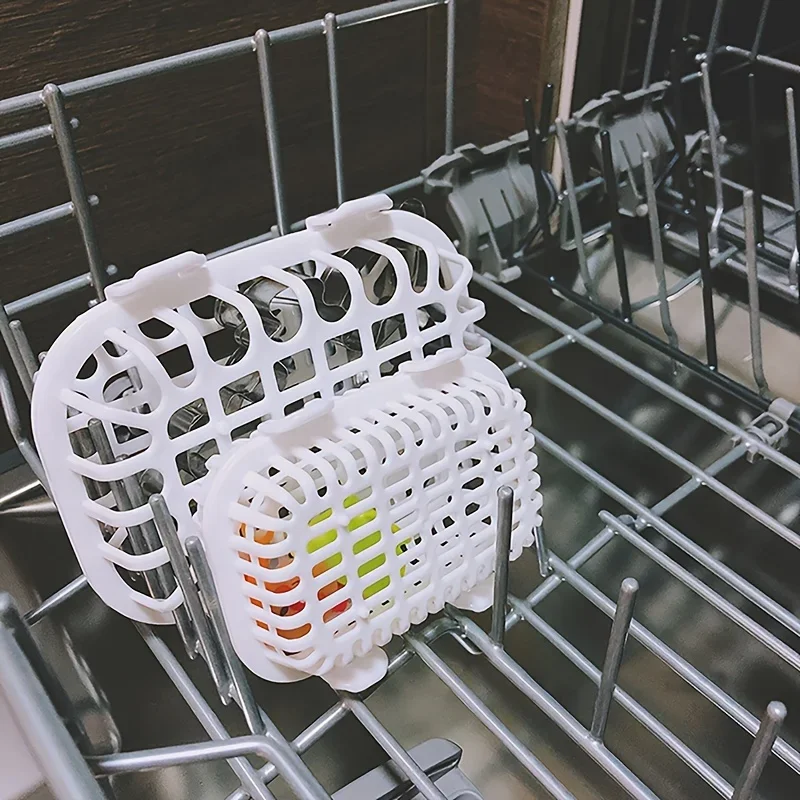
2pcs Kitchen Accessories for Organizing Small Items Specifically Designed for Dishwasher Cleaning and Draining
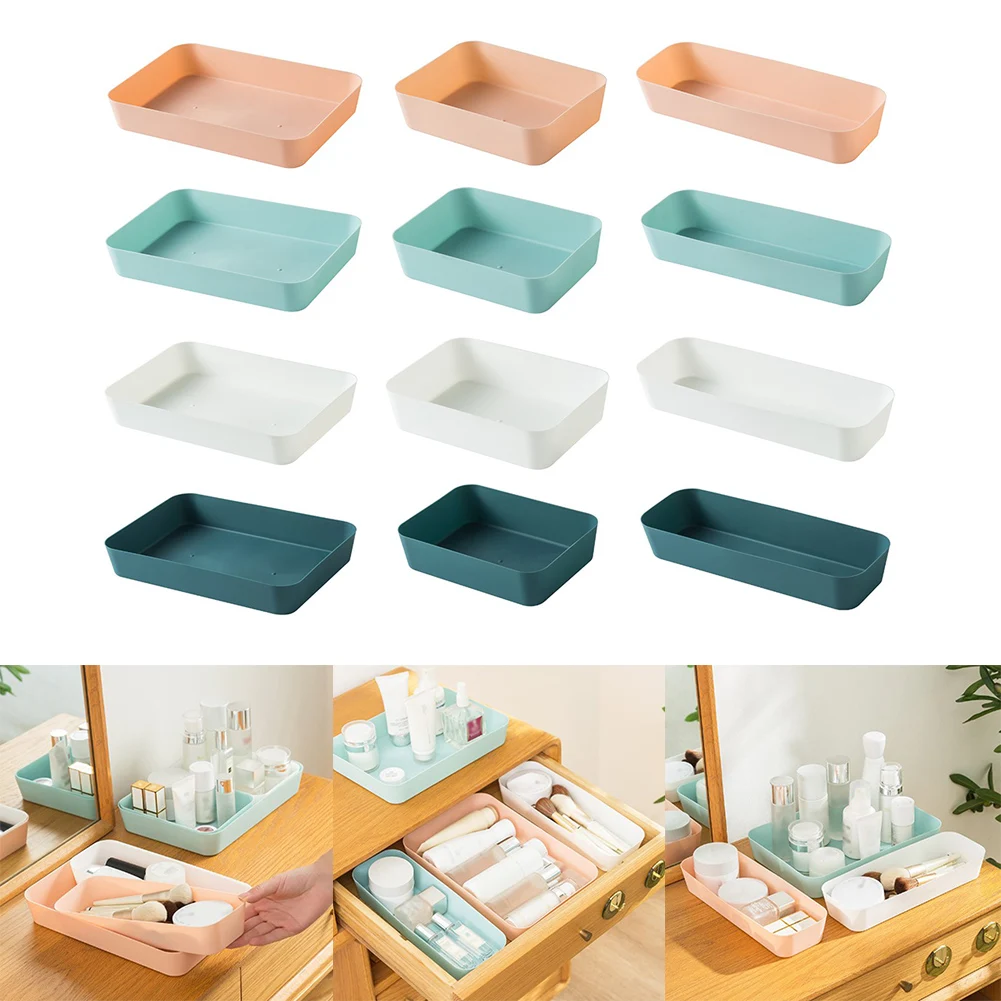
Small Desk Drawer Organizers Multicolor Plastic Drawer Partition Storage Box Kitchen Tableware Large Capacity Storage Trays
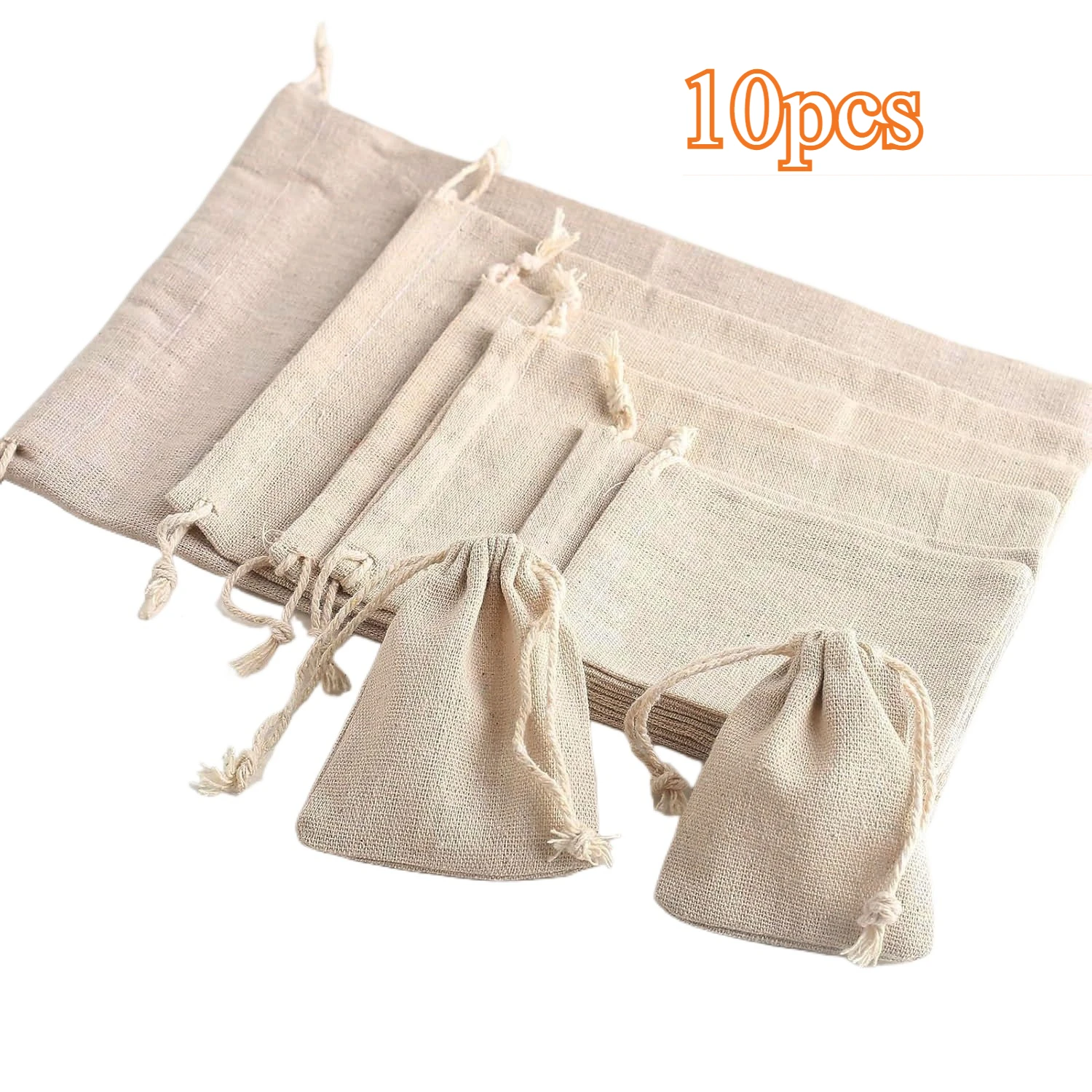
10Pcs Burlap Gift Drawstring Bags for Party Christmas Linen Jute Small Fabric Package Wedding Pouches Home Kitchen Organize Sack
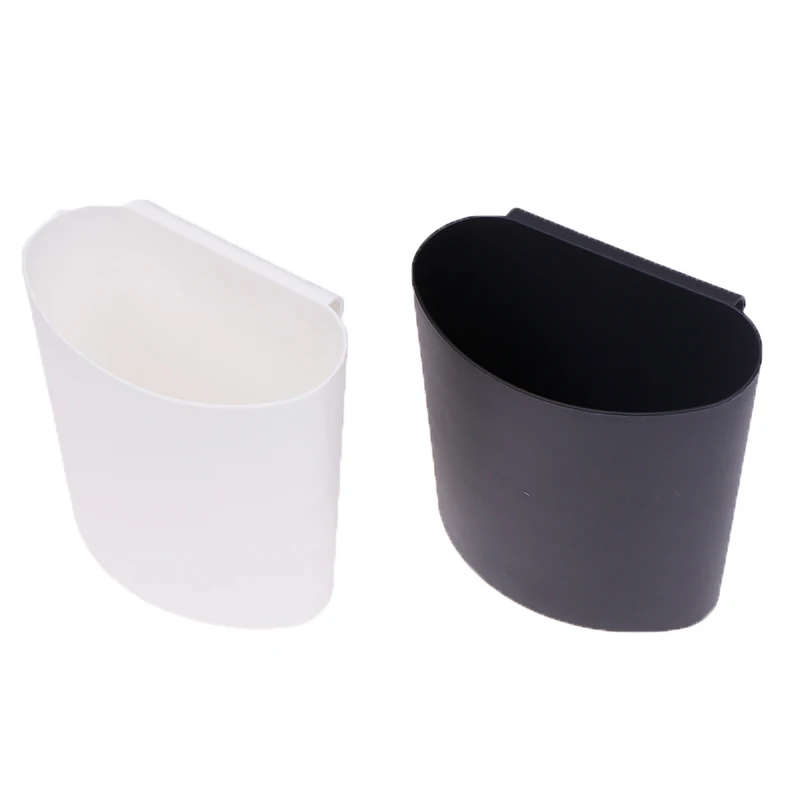
Household Back Hanging Plastic Storage Basket Kitchen Bathroom Mini Organizers Small Things Portable Storage Box Container
Prices, availability, shipping costs, and delivery estimates may change on AliExpress. Check the product page for current details.
Pros and cons
| Pros | Cons |
|---|---|
|
|
Common mistakes
- Skipping plumbing measurements
- Overbuying matching sets
- Leaving counters permanently crowded
FAQ
How do I organize without a pantry?
Use a rolling cart, over-door racks, and labeled bins in upper cabinets. Keep overflow food categories consistent.
What should live on the counter?
Only daily-use items: coffee setup, cutting board workflow tools, or one appliance you use most days.
Are tension rods under the sink useful?
Yes for hanging light spray bottles. Do not hang heavy jugs from a light-duty rod.
How do I store pots in a tiny cabinet?
Nest what you can, store lids vertically, and keep only the pans you actually use weekly at the front.